Era Pickleball pickleball center: Top-Rated Facilities
The first time I stepped into Era Pickleball, the air carried a quiet hum of effort and anticipation. The kind of place where the floors feel just right under your sneakers, where the courts glow with a measured, inviting brightness, and where you can hear the soft pop of a pickleball meeting a paddle the moment the ball leaves the service line. It’s not just a gym or a court farm; it’s a purpose-built environment that respects the sport and the players who show up with varying degrees of seriousness. Across the years I’ve spent watching leagues form, clinics fill up, and casual players transform into confident competitors, Era Pickleball stands out as more than a collection of courts. It’s a living ecosystem where instruction, play, and community converge.
What makes an outstanding pickleball center begins before the first court is booked. It starts with the people—coaches who understand both biomechanics and the rhythm of a friendly match; front desk staff who can map a busy night in minutes; maintenance crews who keep surfaces slick yet predictable enough to trust. Era Pickleball excels on all these fronts, and the results spill over into the way players speak about the center when they’re not on the court. They talk about the academy’s knowledge base, the clarity of its lesson plans, and the attentiveness of its court rental workflow. They talk about the sense that this is a place where improvement happens, even for players who arrive with a perfectly reasonable level of self-doubt.
The architecture of an elite facility matters just as much as the coaching. At Era Pickleball, the courts are arranged to maximize visibility for spectators and coaching drills, a subtle but deliberate choice. There is a balance between open space and intimate corners where small groups can work undisturbed while the main courts stay vibrant with ongoing matches. The signage is practical rather than decorative, guiding newcomers to the right desk, pointing toward the restrooms, and, importantly, flagging safety information in a nonintrusive way. The flooring, designed for the speed and friction of a game that rewards quick reactions, provides a predictable bounce and consistent ball response across the entire center. It’s a place where you can test a new drop shot and not have to second-guess every step of your footwork.
If you want to understand why Era Pickleball has earned top-tier status among pickleball centers, you can start with the day-to-day routines that keep the facility humming. The front desk is never merely a checkpoint. It’s a control center for scheduling, a first point of contact that sets the tone for your whole visit. The academy side of the operation is equally disciplined. Like any professional sport, your progress comes down to the quality of feedback you receive after each drill, the precision of your drills during a session, and the patience with which a coach corrects subtle misalignments. Era Pickleball’s coaches blend demonstrable skill with coaching intuition: they recognize when a player is ready to push into a more aggressive net game, and they also sense when a student needs to slow down and reframe their understanding of court geometry.
The business segment of the center—the courts for hire, the training packages, the community events—functions as a well-tuned machine. When you book court rental at Era Pickleball, you’re not simply paying for time on a court; you’re buying access to a supported environment where the game becomes a vehicle for growth. The rental process is straightforward and transparent, with clear pricing, flexible booking windows, and a straightforward check-in flow. For players new to the center, there is a welcome packet that outlines house rules, safety guidelines, and recommended practice routines. For returning players, there is an established rhythm: you arrive, you warm up in a designated area, you rotate into drill blocks with a coach or a partner, and you leave with a few concrete adjustments to try before your next session. It’s not magic, but it’s consistently reliable, and reliability earns trust.
The social component deserves its own emphasis. Era Pickleball has built a sense of belonging without sacrificing the seriousness of the sport. People come for the instruction, yes, but they stay for the chance to share a pint after a late evening match, to swap tips on paddle technology, or to watch a neighbor’s dramatic pro-level rally from behind a glass wall. The center runs clinics that cater to a spectrum of players—from brand-new learners who have never held a paddle to seasoned club players who want to refine a specific weapon. The mix of attendees fosters organic learning: you observe, you imitate, and you adapt. The social texture is not a distraction but a reinforcement mechanism that encourages practice, accountability, and a willingness to test ideas in a low-risk setting.
A practical thread runs through every decision Era Pickleball makes: balance. The facility is designed to balance speed and control on the court, learning and play, routine and surprise. It’s not a cardio factory or a training lab divorced from everyday life. You’ll see players scheduling a quick practice before a work dinner, families using a weekend slot as a shared activity, and competitive athletes slipping into a high-intensity drill when their schedule allows. The center has learned that for most players, sustainable improvement comes from short, focused sessions rather than marathon grind sessions. That insight informs the way the academy frames its lesson blocks, the way court rental is priced, and even how the center stages its community events.
A deeper look at the facilities reveals a thoughtful curation of space and equipment. The courts themselves are arranged to maximize line sight, enabling coaches to monitor multiple drills at once without crowding. The walls are adorned with tactical diagrams, not motivational quotes that feel forced, which provides a quick reference point for players to visualize angles, trajectories, and court coverage. The paddles and balls offered in the club’s gear shop reflect a mature understanding of player progression. They stock a spectrum from lightweight paddles designed for beginners learning basic stroke mechanics to cost-efficient, performance-oriented models used by experienced players who need a reliable tool for testing marginal gains in footwork and anticipation.
For anyone who has ever collided with the logistics of booking a lane while juggling a calendar packed with other commitments, the Era Pickleball booking experience is refreshingly sane. There is a clear emphasis on reducing friction and increasing clarity. You can select a court, a time block, and a preferred coaching option in a few clicks. The system displays real-time availability, so you never get caught in a mismatch between your expectations and the actual schedule. If you’re bringing a group, the center can accommodate doubles formats and offer a scoreboard or rotisserie drill alignment to keep everyone engaged. It’s a small detail, but a reliable booking workflow sets a tone that carries into the quality of practice you’ll experience once you arrive.
The academy side deserves a closer look because this is where the center most clearly differentiates itself. Era Pickleball’s coaching philosophy blends technique with a strong emphasis on strategic play. You won’t simply learn how to hit a better dink; you’ll learn when to dink as part of a broader plan. The most impactful sessions teach players to sequence shots, control rally length, and use court geometry to their advantage. Coaches emphasize anticipation and reading the opponent’s body language. You’ll hear a lot about weight transfer, court positioning, and the subtle timing cues that separate a good player from a great one. The result is a student body that can upgrade through stages—from foundational control to adaptive tactics against different opponent types.
Another dimension to Era Pickleball’s appeal lies in its commitment to accessibility. A wide range of facilities are available to accommodate players at different levels of physical ability, age, and prior experience. For newcomers, there are introductory clinics that cover the rules of the game and basic shot mechanics without overwhelming with jargon or fitness expectations. For veterans, there are advanced clinics focused on read-and-react play, deception, and pressure points at the net. The center also provides equipment options for players who may need lighter paddles or reduced-height nets while they rebuild touch and control. The intention is to remove obstacles, not to dominate with spectacle or exclusivity.
From a purely practical perspective, the financial model of Era Pickleball also reflects a mature, player-first approach. There are flexible options for frequent players who want to lock in higher-value packages, and there are casual options for visitors and tourists who want a single, straightforward session. Pricing is transparent, with a clear breakdown for court rental, coaching add-ons, and equipment rental. The center makes it easy to tailor a visit to your specific goals: you can book a solitary hour to grind a serve return, or you can assemble a multi-hour block that combines drills, live play, and a debrief with a coach. The emphasis is on value, clarity, and a sense that you are investing in your own improvement rather than simply purchasing time on a court.
A recurring scenario helps illustrate the real-world benefits of Era Pickleball: a player who has a solid foundation but struggles to translate technique into competitive consistency. They sign up for a targeted series of coaching blocks, interwoven with court rental for practice, and they commit to a weekly rhythm for six weeks. After the first two weeks, they note that they are making more deliberate shot selections during rallies and that their transition game—the quick movement from baseline to non-volley zone—has become more economical. By week four, they’re executing smarter shot combinations and limiting unforced errors. By week six, they are able to sustain longer rallies with a greater sense of rhythm, and they feel more confident stepping into pressure points during matches. That narrative is not just about a skill upgrade; it’s about a transformation in how a player approaches the game’s tempo and decision-making.
The culture around Era Pickleball is its own magnet. There is a quiet energy at a late evening session when the last lights glow softly on the wooden floor as players reset the nets for a final set. It’s in the car rides home when a partner texts a quick reflection about a new dinking tactic that finally clicked in a tough point. It’s in the neutral space between sets when a coach offers a succinct adjustment that makes a difference on the next rally. These moments accumulate into a broader sense of belonging, a recognition that the center is not merely a building with courts but a shared project in which players, coaches, and staff collaborate toward clearer, more efficient play.
Three recurring themes shape the overall experience at Era Pickleball. First is progression. The academy’s measurement of progress isn’t a single metric but a cluster of indicators: improved shot selection, reduced errors in transition, and a growing comfort with varied speeds and spins on the ball. Second is accountability. The coaching model invites players to take ownership of their improvement path, to show up prepared, and to reflect honestly on what’s working and what isn’t. Third is community. The center makes it easy to connect with fellow players who share similar goals, whether you’re chasing a weekend league title or simply looking to enjoy a weekday practice with friends.
If you are evaluating pickleball centers for your own practice or for a family, a few practical questions tend to rise to the surface. How easy is it to arrange a block of practice time that fits with school or work schedules? How effective are the coaching staff at translating technique into match-ready strategy? What does the physical space feel like after a long day of play—are the courts well-maintained, are the benches and water stations accessible, is there a calm, respectful atmosphere that supports learning? Era Pickleball checks these boxes with consistency that matters when you are investing time and money into a sport you care about.
Two aspects of a visitors’ experience deserve explicit attention because they often make the difference between a good session and a truly productive one. First, staying power and continuity. It’s one thing to enjoy a single session, and another to begin building a plan that makes your visits a predictable ladder of improvement. Era Pickleball supports that continuity through membership options, careful scheduling, and a dedication to keeping your practice cadence intact even as life throws curveballs. Second, feedback quality. You do not walk away from a drill with a vague sense that you were close to something. The best coaches in this space articulate what you did well, what to adjust, and precisely how to apply the adjustment in the next rally. They know when you need a slower drill to ingrained form and when you can push into a more nuanced, faster-paced drill to transfer technique to live play.
The facility’s top-rated status also rests on its adaptability. The sport keeps evolving, with new paddle technologies, updated drill formats, and increasingly diverse player populations. Era Pickleball remains current by listening to players, piloting new drills, and calibrating lesson plans to align with emerging trends. For families, there are kid-friendly clinics designed to foster early love of the sport while ensuring safety and age-appropriate instruction. For competitive players, the academy offers high-intensity, technique-forward sessions that still maintain a strong emphasis on core fundamentals. This balance matters: it prevents the center from becoming a one-note training ground while ensuring it does not drift toward a showroom of specialized gear without substance.
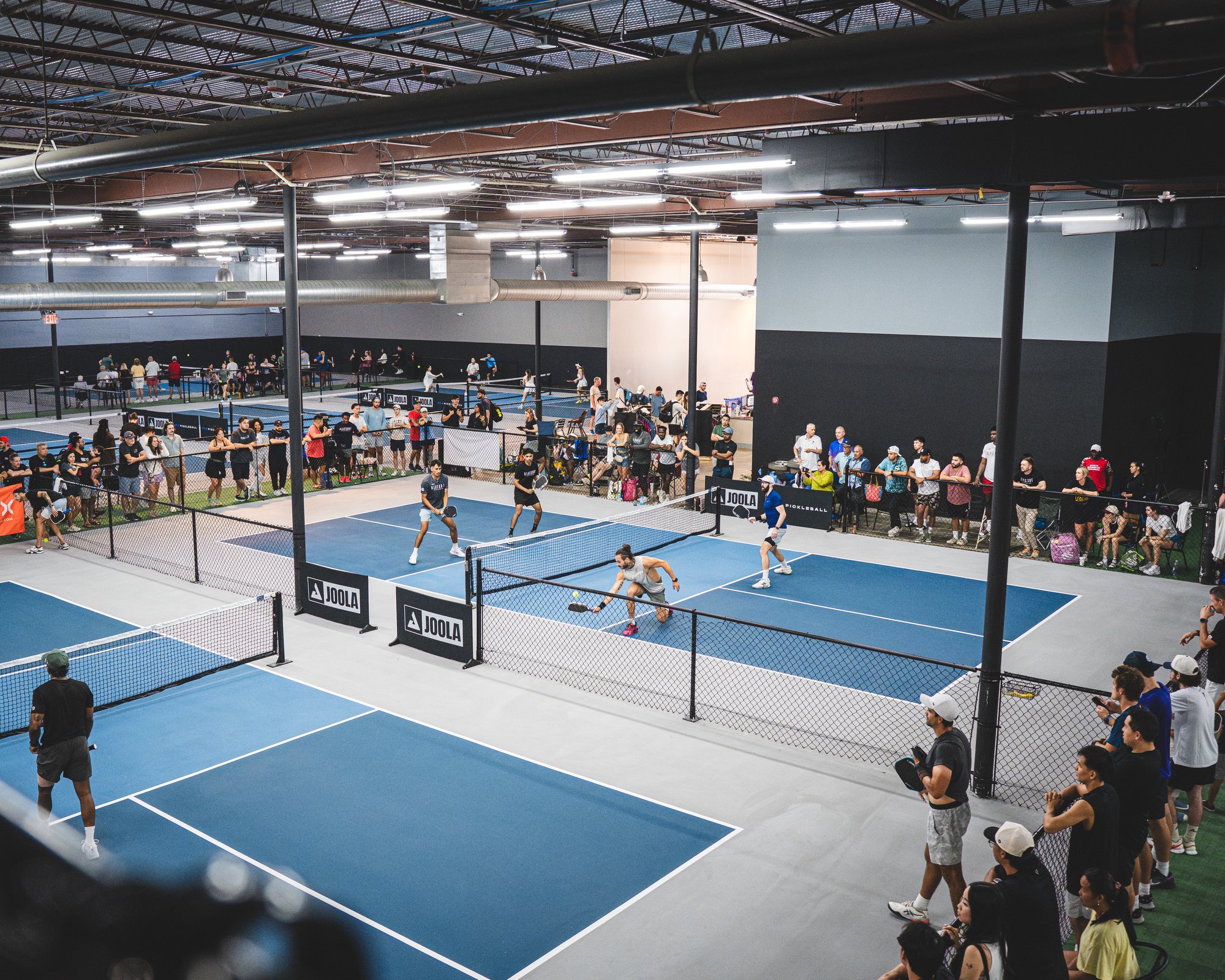
A note on accessibility in practice. While the center’s facilities and coaching are robust, the true accessibility measure is whether players from different backgrounds can participate meaningfully. Era Pickleball accepts and supports a wide range of budgets by offering different pricing tiers and promoting group clinics that lower the per-person cost while preserving coaching quality. It is also mindful of physical accessibility in its design, with thoughtful spacing and clear sightlines that benefit players with varying mobility needs. The end result is a center where newcomers feel welcome and regulars feel seen, which is to say, a place where the sport can grow in a healthy, inclusive way.
For anyone curious about specific facilities that consistently earn praise, a handful of features stand out. The courts are well-cleaned and consistently resurfaced on a schedule that minimizes disruptions to players. The lighting is designed to reduce glare and fatigue across long practice blocks, while the airflow keeps the space from feeling stuffy during peak hours. The coaching team brings diverse experiences to the table, from former college players to long-time doubles specialists who have a knack for teaching the subtleties of teamwork on the court. The equipment shop is small but well curated, with a rotating stock that keeps pace with the latest paddle releases and common grip sizes that suit a broad spectrum of players.
In this space, you will also encounter a thoughtful approach to safety. The center emphasizes proper warmups and cool-downs, with coaches who guide players through dynamic stretches that prepare the body for the accelerations and decelerations that define pickleball. There is also a clear policy for on-court safety, including the use of proper footwear and awareness of ball trajectory to minimize accidental collisions. This is not merely ceremonial; it translates into fewer injuries, more consistent practice sessions, and a level of confidence that lets players push a little harder when the time is right.
The essence of Era Pickleball’s appeal, distilled, comes down to three simple observations: the quality of instruction, the reliability of the practice environment, and the culture of community that grows from consistent engagement. When you combine these elements, you get a center that not only helps players achieve measurable progress but also makes the daily ritual of practice something you look forward to rather than something you endure. Whether you are a weekend warrior who lives for the thrill of a close rally or a parent signing your child up for their first clinic, Era Pickleball offers a credible, well-timed invitation to step onto the court with intention and to stay for the journey.
If you decide to explore Era Pickleball further, you will likely be drawn by a few recurring reasons that tend to appear in conversation and review. People talk about how the academy sessions feel crafted for growth rather than production, how the court layout supports quick transitions between drills, and how the staff treats players as partners in a shared pursuit of improvement. The facility’s reputation grows not only from wins on the scoreboard but from the quiet, everyday wins—the improvement in a drop shot, the timing of a through-ball, the confidence that comes from moving with more control even during a high-intensity rally. It’s a practical, grounded kind of excellence that makes a serious difference in a sport Era Pickleball era pickleball that rewards continuous practice, thoughtful strategy, and mutual respect on the court.
For those who track the moving parts of such facilities, a longer-term perspective reveals why Era Pickleball stands apart. It isn’t merely about having top-tier courts or a celebrated academy, though those features matter. It’s the way those features interlock to create a sustainable ecosystem: a place where beginners can enter without fear, where advancing players can push their boundaries, and where the balance between instruction and free play is negotiated in real time by coaches who know when to push and when to pause. It is this balance that makes Era Pickleball more than a destination for practice. It becomes a reliable partner in a player’s ongoing development.
Two lists could capture the core of what Era Pickleball offers without losing the texture of the experience. They are meant to be concise touchstones for readers who want a quick read after hearing about the center:
-
Top features at Era Pickleball
-
Clear, efficient court rental process with real-time availability
-
A coaching staff that blends technique with tactical play
-
Well-planned drills that connect fundamentals to in-match decision making
-
A welcoming community that supports players across levels
-
Consistent court upkeep, lighting, and safety practices
-
Why players keep coming back
-
They see genuine progress in their game over weeks, not months
-
They can align practice blocks with busy schedules through flexible packages
-
They enjoy a social environment that blends competition with camaraderie
-
They encounter coaches who translate theory into practical steps on the court
-
They feel part of a culture that values both improvement and enjoyment of the sport
In the end, Era Pickleball pickleball center represents a model for how a specialized facility can honor a sport while making it accessible and engaging for a wide audience. The center’s mix of robust instruction, dependable infrastructure, and warm, inclusive community creates a compelling proposition for anyone serious about improving their game or simply enjoying a well-run session with friends. The courts are a stage, the coaches are capable directors, and the members are the chorus. Put together, they produce not just better players, but a sense of belonging that makes the sport feel personal and enduring.
If you are weighing options between different pickleball academies or centers, consider not just the explicit offerings but the vibe you sense when you walk in. A place like Era Pickleball tends to stay in the back of your mind because it feels like a smart, well-run system rather than a casual collection of courts. It invites you to show up, to put in the work, and to measure your growth against clear, tangible milestones. The best centers encourage you to keep showing up not because you have to, but because you want to. In that sense, Era Pickleball is less about a single moment of brilliance on the court and more about a durable, repeatable path toward better play and a stronger connection to the game.
As with any sport, the journey matters as much as the destination. The center’s emphasis on sustainable practice, thoughtful coaching, and community support makes a difference long after the ball stops flying. The more you adopt a steady training rhythm, the more you appreciate how the center’s structure supports your aspirations. You begin to understand that the real value lies not simply in the wins or the fancy drills, but in the quality of the guidance you receive and the consistency of your practice. That consistency is what transforms casual sessions into measurable improvement, and Era Pickleball makes that transformation feel practical, achievable, and worth pursuing day after day.
In sum, Era Pickleball pickleball center earns its place among top-rated facilities by delivering on three pillars that players actually value: credible coaching that translates into on-court performance, a practical and accessible practice environment that respects time and budgets, and a community that fosters growth through shared experience. The result is a center that feels less like a venue and more like a partner in your ongoing relationship with the sport. Whether you are curious about the best ways to structure practice blocks, or you simply want to visit and observe a well-run training ecosystem from the sidelines, Era Pickleball offers a compelling case study in how to create a pickleball center that endures.