Masterclass Series: Era Pickleball pickleball classes
The first morning I walked into the Era Pickleball facility, the air smelled faintly of fresh court lacquer and citrus cleaner, a familiar scent that signals a club serious about craft. The kind of place where the ball doesn’t just fly over the net; it carries intention, like a good serve that lands with a thud and a sigh of chalk. In the world of pickleball, where the sport has exploded into gyms, community centers, and makeshift outdoor courts, Era Pickleball has carved out a space that feels less like a hobby and more like a disciplined craft. The Masterclass Series I’ve been invited to observe and, frankly, to learn from, sits at the heart of that commitment. It’s not a glamorous marketing push or a one-size-fits-all clinic. It’s a set of pickleball classes built around measurable technique, strategic nuance, and a culture of continuous improvement.
To understand what makes these pickleball classes at Era Pickleball distinctive, you don’t need to read a glossy brochure. You need to watch the cadence of practice. You need to listen to the way instructors teach a drop shot with patient clarity, then immediately pivot to a live drill where the same shot fails twice before finally clicking on the third attempt. The Masterclass Series is less a single program and more a living map of how skill evolves, how players adapt to different opponents, and how a coaching philosophy translates into real-world wins and real-world frustrations overcome.
If you’re eyeing a place to train that respects your time, your goals, and the stubborn reality of learning a high-skill sport, Era Pickleball’s classes are worth a closer look. The structure is deliberate, the feedback is specific, and the environment—well, the environment feels like a training camp that never quite leaves the court.
A philosophy born from the court
Every coaching program is built on a philosophy, even when the surface looks technical. In the Masterclass Series, the philosophy centers on three core ideas: purpose, persistence, and adaptability. Purpose means players know why they are practicing a particular shot or pattern. It’s not enough to execute a forehand drive; a player should understand where that drive fits into a rally, what it asks of the opponent, and what it reveals about the player’s own tendencies. Persistence shows up as the willingness to repeat the right kind of practice long enough to embed it in reflex rather than thought. Adaptability is the armor you wear when the court changes—from a slower indoor surface to a fast outdoor court, from a left-handed opponent to a right-handed grinder who makes you adjust your angles on the fly.
The coaches at Era Pickleball are not just technicians who can break down a backhand slice. They’re storytellers who translate biomechanics and geometry into actionable choices during a match. They’ll show you how a paddle angle, a stance width, or a court position can push you toward a winning sequence without asking you to transform your entire game overnight. That balance—between precise technique and flexible tactical thinking—is what makes the Masterclass Series feel like more than a set of drills. It feels like a process of professional growth.
From the moment you step onto the court, you sense that the sessions are designed with a certain respect for time. Players arrive with varying levels of experience, some seeking to tighten up fundamentals, others chasing the last ounce of nuance in dink exchanges. The instructors meet you where you are and push you to where you could be, without breaking your rhythm or your confidence. It’s a subtle art, the art of coaching to elevate without making the learner feel diminished.
What the program looks like in practice
The Masterclass Series isn’t a single course, but a sequence of sessions that build on one another, weaving technical drills with live-play scenarios. A typical day might begin with a short warm-up that couples footwork patterns with paddle positioning checks. You’ll see players glide through a ladder drill that looks almost routine until an instructor interrupts to point out how a tiny adjustment to hip rotation can add velocity to a drive without surrendering control. Then the session pivots to a skill block—perhaps a focus on controlled net play, or a deeper dive into transition zones when you move from defense to offense.
The real magic happens in the transition between the drill and the match simulation. Era Pickleball coaches design these simulations to highlight specific weaknesses framed as questions you must answer on the court. For example: How do you handle pressure in the kitchen when your opponent is crowding the non-volley line? Can you maintain your shot selection balance when your opponent changes pace mid-rally? The answers aren’t merely about technique. They’re about decision-making under pressure, about cultivating the tempo that makes your best shot the most dangerous.
One of the hallmarks of the program is its proactive attention to footwork. It’s not enough to hit a precise shot if you arrive late to the ball or lose stability after contact. The Masterclass Series relentlessly ties footwork to outcome. You’ll see drills that isolate the timing of your step, the alignment of your shoulders, and the roll of your ankle into a shot. Then you’ll watch a live drill where those same footwork patterns are tested against a moving target, a ball that arrives with different spins, a defender who changes the pace of the rally. It’s not about mastering a single technique; it’s about making a suite of movements that can http://erapickleball.com/ be recombined to answer a variety of court situations.
The teachers behind Era Pickleball’s approach
To lead this kind of training, the staff must be both technically sharp and emotionally attuned. You’ll find coaches who have spent years refining the fine points of serve returns, who know exactly which micro-adjustment to suggest when a student’s laces misfire. You’ll also find clinicians who understand the psychology of learning under pressure. They’ll talk through a missed shot with you in a way that preserves your confidence rather than shredding it. They’ll acknowledge the edge cases—the moments when a player can have a perfect stroke on a test court yet stumble under the noise and pressure of a weekend league.
One coach I spoke with described the learning arc this way: “Anyone can learn the right stroke in isolation. The real work is learning to choose the right stroke in the moment.” It sounds simple, yet it demands a nuanced approach. The Masterclass Series embraces this complexity by offering a range of micro-skills that can be deployed in tandem. A player might carry a reliable third-shot drop while also practicing a deceptive pace change off the baseline. The combination creates a more versatile toolkit without sacrificing consistency.
Two lists that illuminate the program (and why they matter)
-
Core attributes of Era Pickleball training:
-
Clarity of purpose in every drill
-
Progressive complexity that respects beginner pace
-
Immediate feedback loops that guide rather than guard
-
Emphasis on footwork as the engine of shot quality
-
A culture of thoughtful risk-taking that rewards smart aggression
-
Common pitfalls to watch for in any program and how Era Pickleball helps you avoid them:
-
Overloading the practice with fancy shots—Era Pickleball emphasizes dependable fundamentals first
-
Skipping live-play integration in favor of endless repetition—here, you always test drills in match contexts
-
Forgetting to map practice to match goals—coaches help you tie sessions to actual tournaments or leagues
-
Ignoring your physical limits—coaching includes mechanics and recovery considerations
-
Underusing feedback—structured debriefs ensure you leave with a precise plan for the next session
The training environment as a predictor of growth
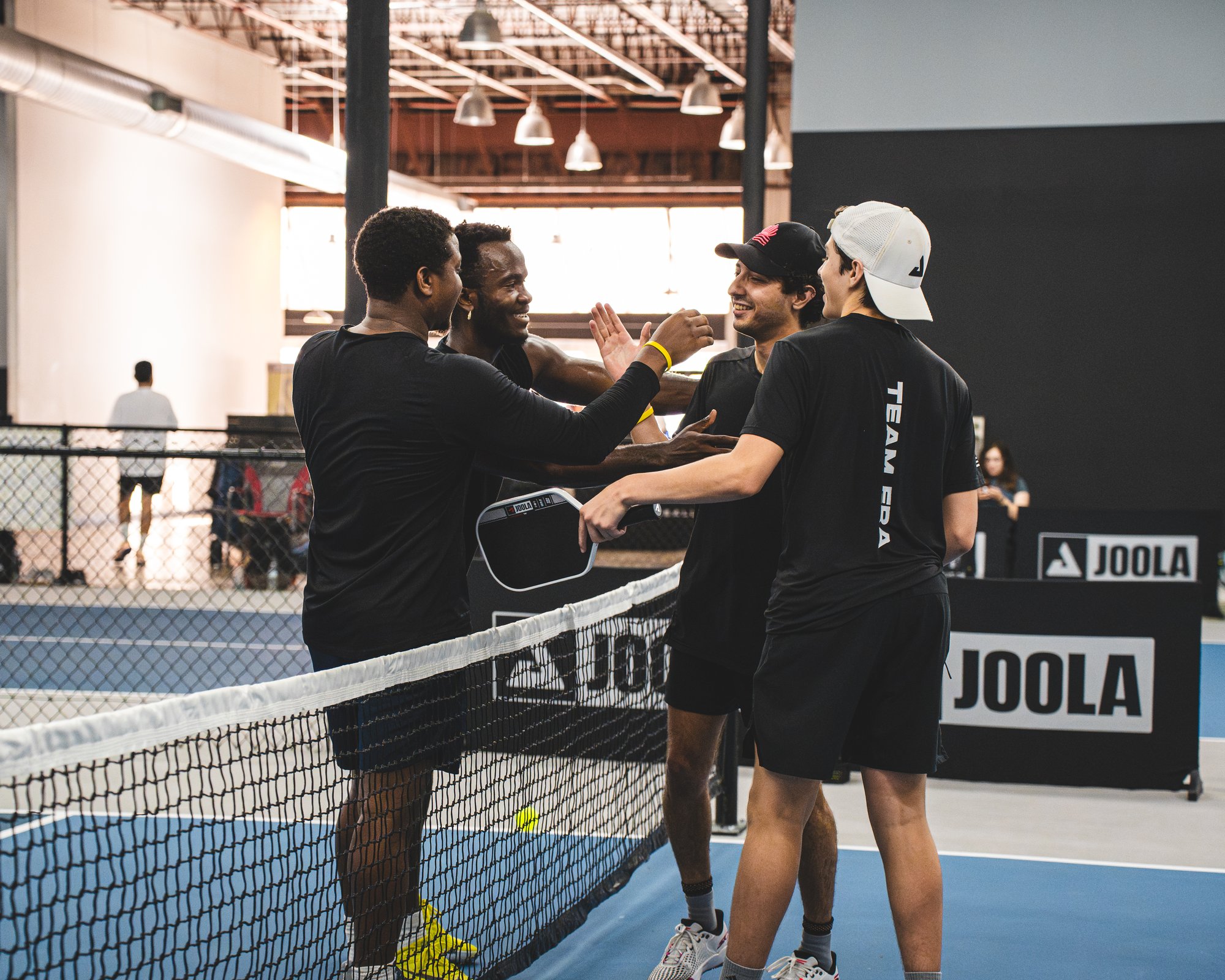
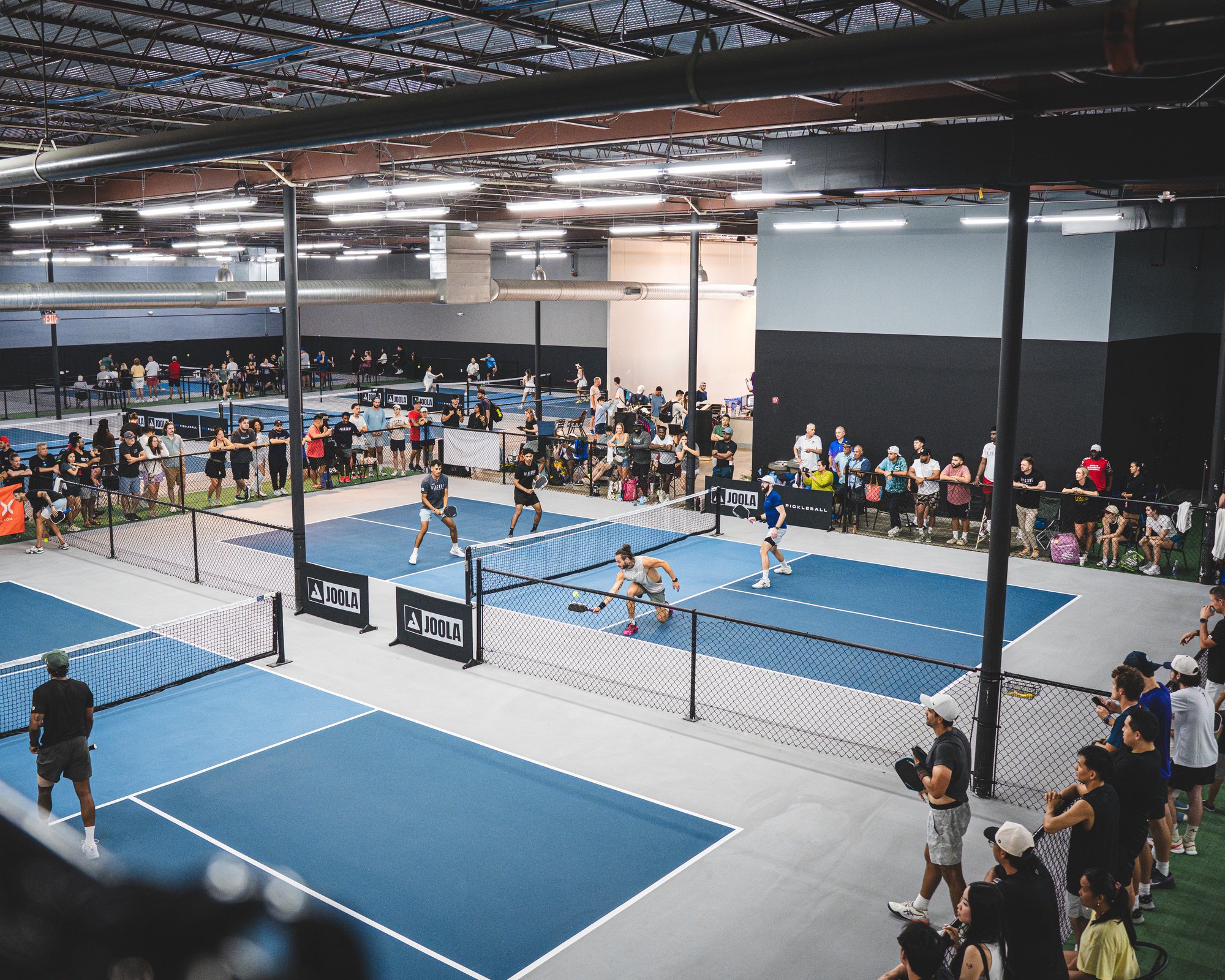
The court atmosphere in Era Pickleball reflects a blend of seriousness and curiosity. It’s the kind of place where a teenager learning the sport shares a bench with a veteran who’s chasing a mid-life PR. The vibe is competitive without being cutthroat, rigorous without being punitive. You see players who arrive early to warm up, who treat the court as a laboratory rather than a stage, and who leave with a map for the next steps rather than a vague sense of what went wrong.
That environment matters because learning pickleball at a high level is as much about mindset as it is about strokes. The Masterclass Series acknowledges that truth by embedding reflective practices into the routine. After a drill, you’ll often see five minutes dedicated to self-check questions: What did I do well? Where did my balance break? Which shot decision produced the most consistent outcomes? The emphasis on reflection creates a feedback loop that compounds improvement over time, turning what could be a string of isolated wins into a coherent upward trajectory.
Real-world outcomes you can expect
When players engage with Era Pickleball pickleball classes in a sustained way, the benefits show up in several dimensions. First, there’s reliability. A student who drills a consistent third-shot drop week after week will be able to rely on it in tournament settings. They’ll also develop a more anticipatory sense of where the rally is heading, which helps with court positioning and shot selection. If you’ve ever watched a match where a player anticipates a kill shot before the opponent has completed their swing, you know the value of anticipation. Era Pickleball’s approach trains that perceptual skill by merging drills that isolate a technique with drills that require you to read the opponent’s intent.
Second, there is durability—both physical and strategic. The program’s focus on footwork and balance reduces stress on the joints and lowers the risk of injury during longer draws. It also builds a tactical resilience. When a match veers into a prolonged rally, players trained in the Masterclass Series tend to switch gears with fewer unforced errors and more purposeful pace changes that keep the opponent off balance.
Third, there is team cohesion. Even when players train individually, the sessions emphasize the social fabric of the sport. You learn to communicate in efficient, real-time ways with partners in doubles, you learn to give constructive feedback to peers, and you internalize a shared language for technique and strategy. For players who might be shy about asking for help, the coaching style models an approachable, practical way to seek improvement.
Edge cases and how the program adapts
No program is perfect, and the Masterclass Series has its share of constraints and adaptation challenges. A few edge cases are worth noting. Some players come in with a strong baseline in one area—say, net play—but with a shaky backhand from the baseline. The series handles this by offering targeted blocks that isolate the weak area while weaving it into a broader tactical canvas. Conversely, players with good baseline coverage but limited pace often benefit from drills designed to compress the court and force meaningful decisions under pressure. The instruction remains pragmatic: you work harder at your weak point, but you don’t neglect your strengths in the process.
Weather and court conditions can complicate outdoor sessions. Era Pickleball has developed contingency adjustments that preserve the learning value even when conditions shift. On sunny days with a slick surface, you’ll notice a greater emphasis on footwork timing and contact stability to prevent slips and mis-hits. In humid environments, the drills scale in tempo to maintain rhythm and tempo without erasing the intention behind each stroke. The ability to adapt in real time is precisely what distinguishes elite coaching from rote repetition.
Beyond technique: character and habit formation
The Masterclass Series isn’t only about perfect shots. It’s about cultivating a habit of deliberate practice. The coaches insist on small, repeatable routines that accumulate into technical confidence. They model what it means to treat practice as an active, purposeful activity rather than a passive ritual. You’ll hear phrases like “build your practice ladder,” which means setting a stretch goal for the week, then filling in the steps to achieve it. The ladder becomes a living document, updated as you improve and as your goals shift.
This emphasis on habit formation can be the decisive factor for players who transition from recreational play to more competitive environments. It’s one thing to be able to rally a few times on a weekend; it’s another to translate that capability into a consistent performance across a tournament format. The Masterclass Series aims to bridge that gap by making training decisions more predictable, less prone to fatigue, and more aligned with actual match demands.
Real-world anecdotes from the floor
I watched a player, a mid-career adult who had a strong drive but inconsistent placement. In one session, a coach isolated the player’s footwork to address a tendency to drift forward too soon during returns. After a week of focused practice, the same player found that the return path opened up, not just for the immediate shot but for a sequence that followed. The improvement didn’t appear as a single dramatic moment; it revealed itself as a quiet, steady shift in decision-making and a reduction in unforced errors during late rally pressure.
Another session featured doubles communication drills. Partners practiced calling shots with clarity, then paired that with a new system of hand signals and quick verbal cues. The result wasn’t a dramatic winning streak, but the players reported fewer miscommunications, faster transitions, and a greater sense of shared responsibility for the point outcome. It’s telling that a sport as fast as pickleball hinges on the ability to coordinate with a partner as much as on individual precision. The Masterclass Series treats that coordination as a core skill, not an afterthought.
The practical path to joining a Masterclass Series cohort
If you’re curious about enrolling, you’ll find the pathway to a seat in the Masterclass Series is both straightforward and discerning. The program tends to favor committed players who approach training with intention rather than casual curiosity. The intake often involves a brief assessment to establish baseline skills and a mutual understanding of goals. It’s not about labeling you as “good enough” or “not good enough.” It’s about aligning your objectives with the program’s structure and giving you a realistic map for progress.
Once you’re in, you’ll notice that the scheduling favors consistency. The sessions are typically weekly, with optional add-on clinics that target specific skills or match scenarios. The cost is a consideration for many players, and it’s worth weighing against the value of a program that can deliver measurable progress over several months. The investment also buys you access to a community that takes improvement seriously, a repository of drill variations, and regular feedback that feels personalized rather than generic.
A final note on the promise and the limits
Era Pickleball’s Masterclass Series is not a miracle cure for all the sport’s complexities. It’s a disciplined, thoughtful approach to improvement. It doesn’t promise instant mastery, but it does promise that consistent engagement with well-designed practice can yield meaningful gains. The most striking benefit isn’t a single flashy shot; it’s a quieter, more confident approach to the game. You learn to anticipate, you learn to manage pace, you learn to work with a partner rather than against them, and you learn to keep your own nervous system steady under pressure.
The keys to extracting maximum value from the program are honesty about your starting point, patience with your rate of progress, and a willingness to integrate feedback into your next practice session. If you bring those elements to Era Pickleball pickleball classes, you’ll likely find a path that feels less like a sprint and more like a robust, long-term ascent in skill and confidence. The Masterclass Series is designed to be a living learning experience rather than a fixed curriculum. It respects your individuality while providing a structured framework that can be measured, refined, and repeated.
For players who crave a culture that prizes progress over perfection, for coaches who want a practical lab where technique meets strategy, for families who want a training environment that blends discipline with enjoyment, Era Pickleball coaching and pickleball training offers a compelling roadmap. The website, era pickleball dot com, features the series as more than a marketing line. It presents a working philosophy, a set of concrete practices, and a community of learners who are not ashamed to ask for help when they need it.
If you are evaluating options for pickleball classes, consider what you want from the experience. Do you want repetition that builds muscle memory and a reliable rhythm? Do you want to grow your tactical understanding so you can read the court more effectively? Do you want to train with people who respect the process and who keep a steady pace, even when the pace for beginners isn’t yet ideal? In my observation, the Masterclass Series at Era Pickleball manages to deliver on all three, without losing the sense that learning is a journey rather than a destination.
A final reflection from the floor

Watching players of all ages and abilities approach the court with intention is a reminder that mastery in pickleball, like any sport worth pursuing, is built from countless small decisions. The hard work isn’t in a single, perfect rally; it’s in the minutes before it starts, the split-second choices in the rally, and the way you recover after a misstep. The Masterclass Series is a structured invitation to practice that habit of purposeful, repeatable improvement. It’s not flashy, and it isn’t marketed as a quick fix. It’s a pathway toward steadier performance, smarter strategy, and a more confident presence on the court.
If you’re weighing where to invest your energy and your dollars in a pickleball training program, Era Pickleball offers a compelling case. It’s not just a collection of drills; it’s a philosophy translated into practice. The Masterclass Series is designed to deepen your understanding of the game while expanding your capacity to execute under pressure. And while the road to mastery will always involve evenings spent refining footwork and afternoons spent dissecting your own match footage, the journey here feels purposeful, human, and fundamentally enjoyable. That combination is not common in every sport, and it’s what makes Era Pickleball pickleball classes stand out in a crowded field.